- Circular Rising
- Posts
- How policy reform can drive circular packaging
How policy reform can drive circular packaging
Source: Continent Rising
From the newsletter
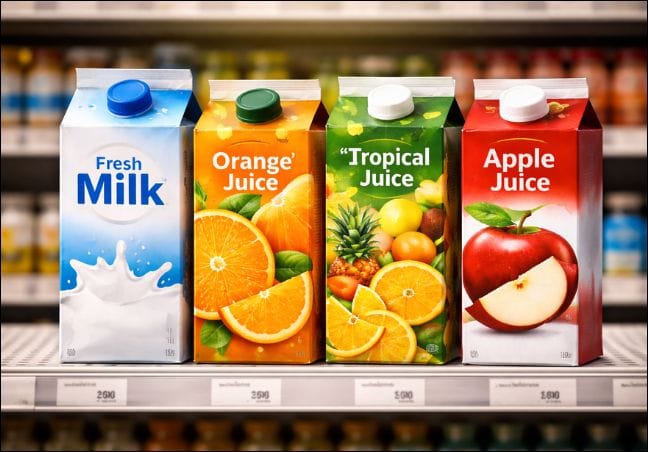
Beverage cartons are essential to food distribution across Africa, helping preserve drinks without refrigeration. Yet recycling systems often struggle to recover them. New guidance from the Paris-based Consumer Goods Forum Plastic Waste Coalition of Action suggests policy reforms that could help integrate cartons into circular packaging systems.
Across much of Africa, waste systems remain underdeveloped, making recyclable packaging materials like cartons difficult to recover as they are often viewed as low value within existing recycling markets.
Experts suggest that policy reforms could be key to unlocking circular packaging, as weak regulatory frameworks and fragmented waste systems continue to limit recovery across many African countries.
More details
Beverage cartons are often cited as an efficient form of packaging. Lightweight, stackable and largely paper based, they are widely used for milk, juices and other liquid foods. In Africa they also play a critical role in food distribution. Aseptic carton packaging allows products such as milk to remain shelf stable for months without refrigeration, extending distribution far beyond the reach of cold chain infrastructure.
Yet the very design that makes them effective at protecting food also creates challenges for circularity. Liquid packaging cartons are multi-layer composites typically made from paper fibre, plastic polymers and a thin layer of aluminium. The paper component provides structural strength, while the plastic and aluminium layers protect the contents from moisture, oxygen and light. Together, these layers extend shelf life and reduce food spoilage, but they also complicate recycling.
Unlike single material packaging such as glass bottles or aluminium cans, cartons must undergo additional processing steps to separate their components. In specialised recycling facilities, the paper fibres can be recovered through hydrapulping and reused in products such as tissue, cardboard or paperboard. However, the remaining mixture of polyethylene and aluminium, often referred to as PolyAl, requires further processing and still has limited end markets in many regions.
In high income countries with established recycling infrastructure, these technical challenges can be managed. Collection systems are widespread, sorting technology is advanced and specialised recycling facilities are more readily available. Across Africa, however, waste management systems are still developing. Collection coverage can be uneven, sorting capacity limited and recycling markets fragile. As a result, cartons often fall into a grey area within recycling systems.
In many African cities, waste collection also depends heavily on informal waste pickers who prioritise materials with reliable resale value, meaning cartons may receive less attention unless recovery systems create clear market demand. Carton volumes are also smaller than dominant waste streams such as plastic bottles or corrugated cardboard, making them less attractive for collectors and recyclers without targeted policies or financial incentives.
The guidance report from the Consumer Goods Forum’s (CGF) Plastic Waste Coalition of Action argues that these gaps are not only technical but also regulatory, particularly in how extended producer responsibility (EPR) systems classify and finance carton recycling. African governments are increasingly turning to EPR schemes to improve recycling outcomes. Under these frameworks, producers and brand owners contribute financially to the collection, sorting and recycling of the packaging they place on the market. The aim is to shift waste management costs away from municipalities and towards producers while creating incentives for better packaging design and recovery.
But the effectiveness of EPR systems depends heavily on how they are designed. The report notes that beverage cartons often struggle within existing policy frameworks across many African countries. In some systems they are incorrectly categorised under plastic packaging, despite being predominantly fibre based. In others, recycling accounting rules recognise only certain components of the packaging, creating uncertainty around how recovery rates are calculated.
Financing structures can also present challenges. If EPR fees do not reflect the true cost of collecting and recycling cartons, recyclers may lack incentives to invest in dedicated infrastructure. It also highlights the role of eco modulated EPR fees, which adjust producer contributions based on the recyclability and recovery costs of different packaging formats. Without reliable financing, sorting facilities, recycling plants and logistics networks for cartons may fail to materialise.
The report argues that more deliberate policy design could help close this gap. Recognising cartons as a distinct packaging category and setting phased, realistic recycling targets that reflect existing collection and processing capacity could help create the financial conditions needed to support collection and processing systems. In practice, this means aligning packaging policy more closely with the realities of local waste systems and recycling markets.
Our take
For packaging manufacturers, better designed EPR systems could see greater pressure to adapt packaging design. This might involve simplifying material structures, improving recyclability or developing formats that align better with existing recycling infrastructure. At the same time, clearer policy frameworks could provide more predictable market signals for innovation.
For governments, the reforms could help shift some waste management costs away from public budgets towards producers, while also improving recycling performance. However, this would require stronger regulatory oversight and coordination across waste systems.