- Circular Rising
- Posts
- Rising pharma waste opens new business opportunities
Rising pharma waste opens new business opportunities
Dear subscriber
Every sector produces waste. In Africa, some sectors steal the spotlight, while others sit in the background — quietly building up and, as it turns out, building opportunity too.
Mercy Maina-Editor
 | A new report by the United Nations Environment Programme warns that unused medicines are creating a fast-growing but largely unregulated waste stream. As pharmaceutical waste rises globally, it is also opening up a largely untapped circular economy market, particularly in Africa, where disposal systems remain fragmented or absent. |
Pharmaceutical spending across Africa is projected to grow by more than 30% over the next five years, driven by population growth and higher-cost medicines. Without systems to manage unused drugs, this growth is set to drive a corresponding increase in unmanaged pharmaceutical waste.
While mature markets are scaling pharmaceutical waste management into a high-value sector, Africa’s systems remain underdeveloped, creating an opportunity to build a circular value chain.
Our take: Africa Water Vision 2063 shows strong political intent, but its success hinges on translating that into functioning value chains… Read more (2 min)
 | As Africa’s waste grows, Wlodek Bogucki, an environmental advocate, argues that many cities face a difficult reality: Municipal waste is often mixed, contaminated and highly organic, making conventional recycling and energy recovery technologies difficult to deploy. He calls for incubators to test solutions on unsorted waste. |
Mr Bogucki is the founder of EccoPlanet and PlanetLife, initiatives based in Zug, Switzerland focused on environmental innovation and investment. An entrepreneur and investor focused on deep technology and infrastructure, his career has spanned banking and venture investment across Europe and Africa. In 2020, he organised the “Mondays for the Planet” virtual strike.
“A proposed model — an Ecco Incubator — would serve as a real-life testing ground for full-chain solutions processing raw, unsorted municipal waste "straight from the street,” he says.
Read the full opinion article here (2 min)
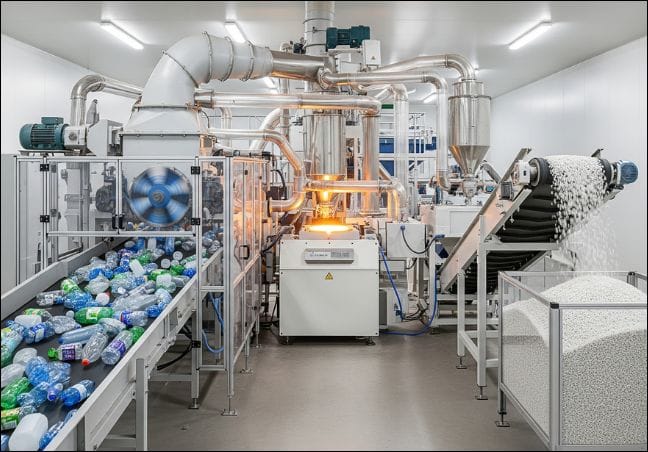 | Over the past three months, Africa’s circular economy landscape has seen a fresh wave of activity. Data from the Circular Rising project tracker shows that since January, four new projects have been announced across the continent, spanning plastic waste, organic waste, toxic waste and urban sanitation. |
West Africa dominates, with two projects, while the other two are spread across East and Southern Africa,
The projects are backed by a mix of funders, including multilateral institutions such as the World Bank and Global Environment Facility, private investors, and government-led initiatives.
Our take: If the efforts succeed, they could mark a structural shift in how Africa’s circular economy develops…Read more (2 min)
___________________

Source: GIZ International
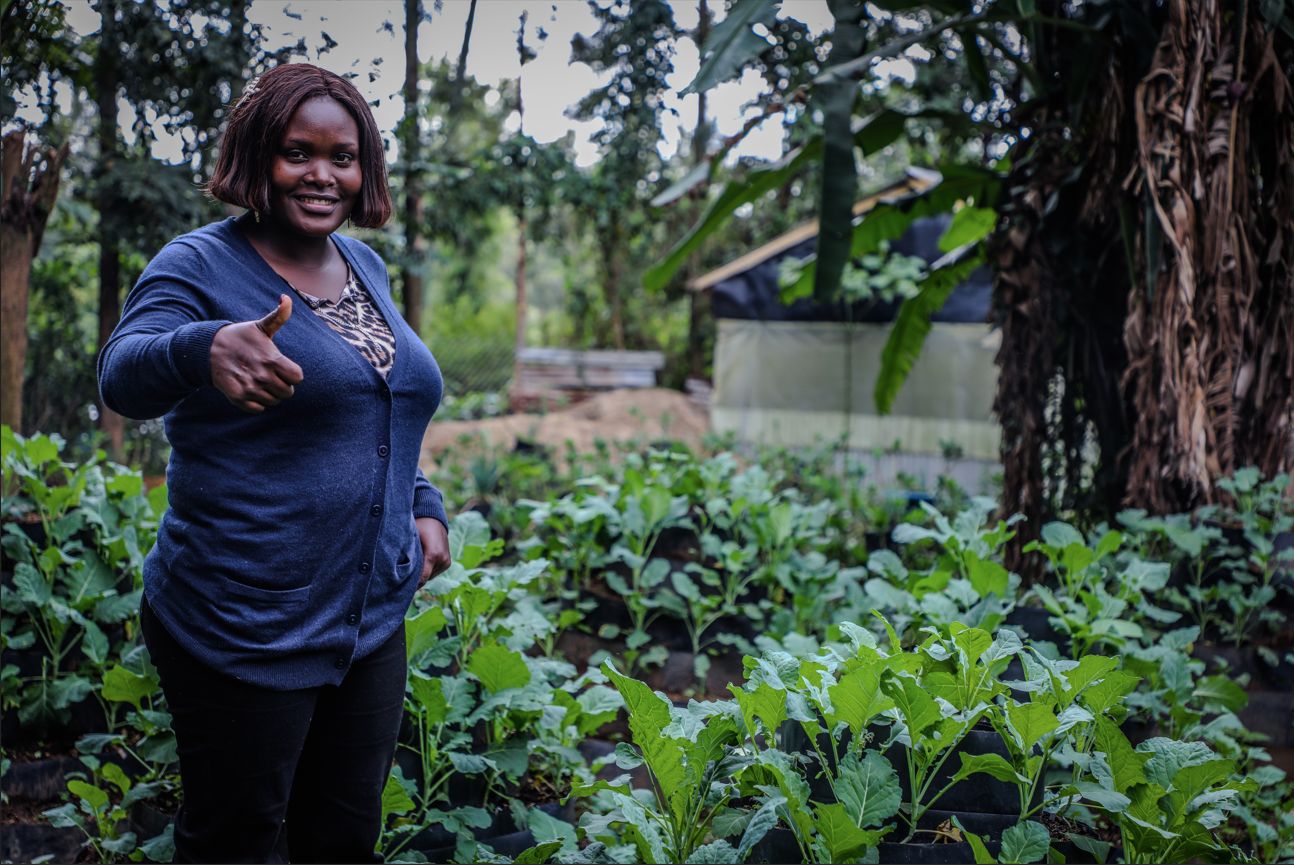
Faith Amimo showcases vegetables fertilised with Black Soldier Fly waste
Events
🗓️ Network at the at the Sustainable Manufacturing Summit 2026 (May 19)
🗓️ Register for the Future of Sustainability Conference 2026 in South Africa (Mar 24)
🗓️ Attend the Waste Management & CE Conference in Zimbabwe (Mar 30
Jobs
🧕 Oversee sales function at GreenBay Market (Kenya)
🧕 Be the next Supply Chain Lead at GreenBay Market (Nigeria)
🧕 Lead business development at GreenBay Market (Kenya)
🧕 Work as an ESG Auditor (Egypt)
🧕 Serve as Wash Supervisor at INTERSOS (Nigeria)
Various
✅ Kenya validates green healthcare guidelines
💰 Kenya’s Sistema.bio secures $53M to launch FarmCarbon Fund
🪑 Waste reborn as school furniture in Cape Verde
💲 Waste management among beneficiaries of South Africa’s $5.8 billion grant
💧Why a circular water economy is not optional for Africa
Seen on LinkedIn
GIZ International says, “Only around 10 per cent of global plastic waste is currently being recycled. The main challenge is the lack of transparency along the plastic value chain: recyclers often lack critical data on the material composition and history of plastic waste, making it economically riskier and more expensive to process than virgin materials.”