- Circular Rising
- Posts
- Why medical waste is a circular economy challenge
Why medical waste is a circular economy challenge
Dear subscriber,
Medical care is priceless, but the waste it leaves behind can be deadly. Now, Africa is finally taking cautious but promising steps to confront the problem.
Mercy Maina – Editor
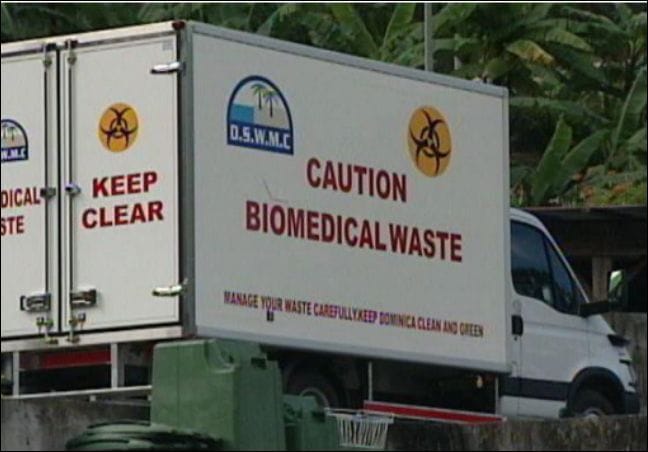 | The government of Japan is funding a modern medical waste incinerator in Enugu State, southeastern Nigeria. Backed by a $66,309 grant, the project aims to reduce secondary infections and environmental hazards caused by improper disposal and open burning of medical waste, improving health and safety for the local community. |
According to the World Health Organization, medical waste is “waste generated by healthcare activities, ranging from used needles and syringes to soiled dressings, body parts, diagnostic samples, blood, chemicals, pharmaceuticals, medical devices and radioactive materials.”
In Africa, while incineration remains the most common disposal method, it often generates hazardous emissions and toxic residues, posing additional risks to public health and the environment.
Our take: Treating medical waste as a circular economy challenge, not just a health risk, could unlock new business models in waste recovery… Read more (2 min)
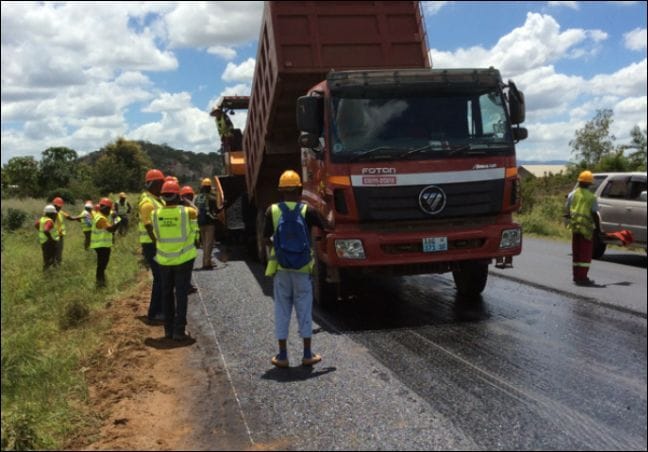 | Denmark-based consultancy NTU International is driving circular economy recruitment across Africa this month, filling 28 of the 43 advertised roles. Specialising in programme management and advisory services, mainly for EU-funded development projects, the firm is seeking circular economy policy and legal experts in 26 African countries. |
NTU is creating a pool of junior and senior non-key experts to support the implementation of an upcoming EU circular economy and water facility project across Africa.
These roles were identified based on their direct link to circular economy or waste-related activities, either through the company or the nature of the role.
Explore the latest openings across Africa’s circular sector here (2 min)
 | As Africa transitions to a circular economy, Chrispaul Muthaura of KPMG cautions that ambitions may falter without a skilled workforce to support the sector. Amid a shortage of trained technicians, he advocates for investment in Technical and Vocational Education and Training (TVET) to equip professionals with practical skills. |
Mr Muthaura is the Senior Manager and Circular Economy Lead at KPMG East Africa, focusing on the intersection of circularity, sustainability, greenhouse-gas accounting, and related environmental solutions.
He recommends a network of TVET colleges with industry-standard equipment, practical apprenticeships, and embedded entrepreneurship to develop technicians who can transform waste, launch micro-enterprises, and advance Africa’s circular economy.
Read the full opinion article here (2 min)
___________________


Togo’s Rôbalôtô wins Francophone Africa prize for community plastic recycling l
Various
🚩 Research uncovers PFOS contamination in African soils, crops
⚠️ How EU’s softer pollution rules could hurt Africa’s green exports
🤝 Egypt inks protocol to treat petroleum waste
♻️ The deadly trade-off of electronic waste recycling in Ghana
📢 EU announces capacity building initiative for circular economy businesses
Seen on LinkedIn
Benadine Chinonyerem, founder of Agric4Profits.com, says, “Proper waste management is a complex synergy of government, producers, and consumers working together. This relationship is only able to function if all parties work towards the same goal of reducing the amount of waste that ends up discarded in landfills or incinerated.”