- Circular Rising
- Posts
- Africa debuts the first corporate circular economy bond
Africa debuts the first corporate circular economy bond
Dear subscriber,
When sustainability earns, wallets start moving. Coincidentally, Africa just broke the bank with its highest circular economy investments this year in November.
Mercy Maina – Editor
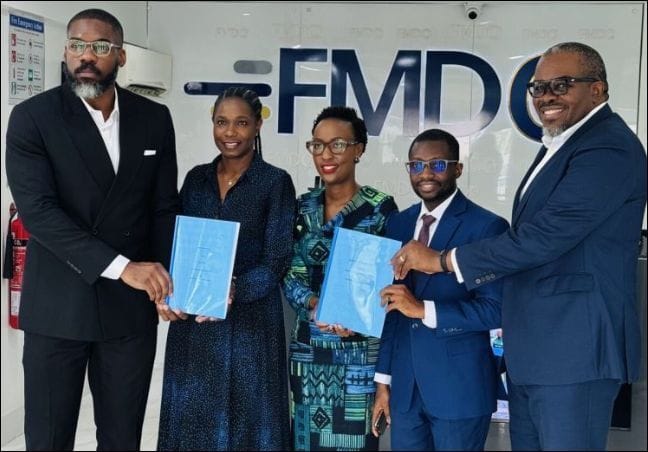 | The African continent has made history with its first corporate plastic- and carbon-linked bond. Nigeria-based clean-tech and waste-management company Kaltani has partnered with three local firms and an international development finance organisation to channel private capital into plastic recovery and carbon-reduction projects. |
The multi-million-dollar bond links financial returns to verified environmental outcomes, making circular-economy projects, traditionally dependent on grants or pilot funding, bankable and investable.
By connecting returns to tangible sustainability results, the bond could unlock broader private-sector participation, signalling that African projects are ready for mainstream investment.
Our take: The initiative could help seed a broader sustainable-finance ecosystem in Africa… Read more (2 min)
 | Africa’s circular economy received a major boost in November, attracting $1.013 billion in new tracked commitments, a $984 million increase from October’s $29.35 million. The funding, from a mix of public and private players, spanned North, East, and southern Africa, backing projects from large-scale urban initiatives to innovative waste-to-value ventures. |
Southern Africa dominates in scale, securing $925 million from the World Bank to enhance urban service delivery, including solid waste management.
North Africa follows with $87.7 million for projects in Egypt and Tunisia, while East Africa is represented by Kenya, receiving $17,400 for innovative start-ups.
Our take: Concessional financing and technical assistance from international institutions demonstrates continued reliance on external support for industrial-scale circular projects… Read more (2 min)
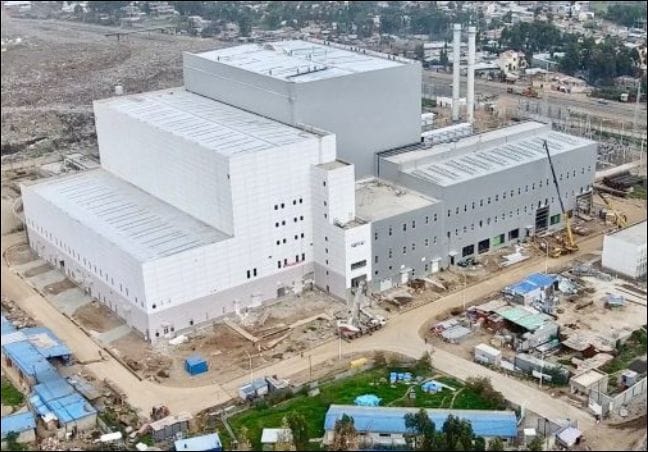 | A new study on Ethiopia’s Reppie waste-to-energy (WtE) plant reveals a stark gap between promise and performance. The plant processes less than half its intended waste and generates far less electricity than projected. It has also failed the social inclusivity test by displacing hundreds of waste pickers, highlighting systemic challenges. |
The plant processes 396–650 tons daily instead of 1,400 and generates only 92 GWh against 185 GWh projected.
As more African cities pursue WtE, the report’s recommendations provide a roadmap for designing cleaner, cheaper and socially inclusive alternatives.
Our take: WtE is not a one-size-fits-all solution. Policymakers should balance energy generation goals with social, environmental and economic realities.…Read more (2 min)
___________________

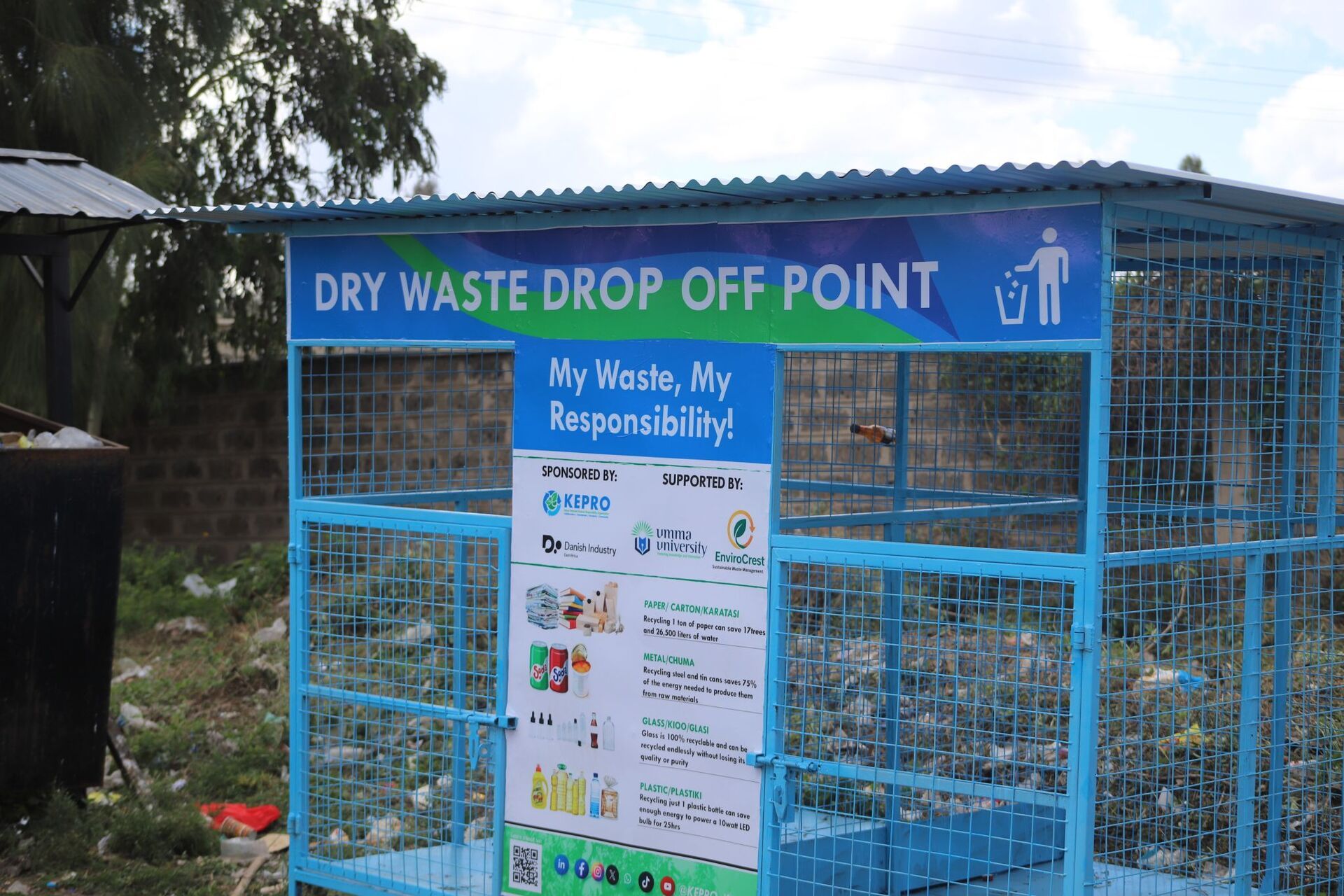
Source: KEPRO Kenya
A dry waste collection point handed over to Kenya’s Umma university by KEPRO
Jobs
🧑💼 Work as a Waste Management Operator at EnviroServ (South Africa)
🧑💼 Oversee a circular economy project at UNDP (Egypt)
🧑💼 Analyse EU circular economy legislation at NTU (Egypt)
🧑💼 Manage healthcare waste at Genesis Specialist Hospital (Nigeria)
Various
🏅 Ghana’s NETCYCLE AFRICA Project wins Global Human Development Award
♻️ Togo’s municipality sets 2035 goal to recycle up to 60% of local waste
🗑️ Lagos government gives timeline for decommissioning two dump sites
😮 Microplastics found in every donkey tested in Kenyan coastal town
Seen on LinkedIn
Modupe Onitiri, a circular economy and sustainability expert, says, “As we deepen discussions on circular economy, e-waste, and sustainable manufacturing, we must continue asking: How do we design systems that work for Africa, powered by African knowledge, supported by global partnerships?”