- Circular Rising
- Posts
- Inside Africa’s emerging demand-led recycling model
Inside Africa’s emerging demand-led recycling model
Dear subscriber
Marked this week under the theme “Don’t Think Waste — Think Opportunity”, Global Recycling Day comes at a defining moment as Africa’s circular sector becomes more commercially driven and demand-led. But recognition is also growing that it cannot, on its own, solve the plastic waste crisis.
Mercy Maina-Editor
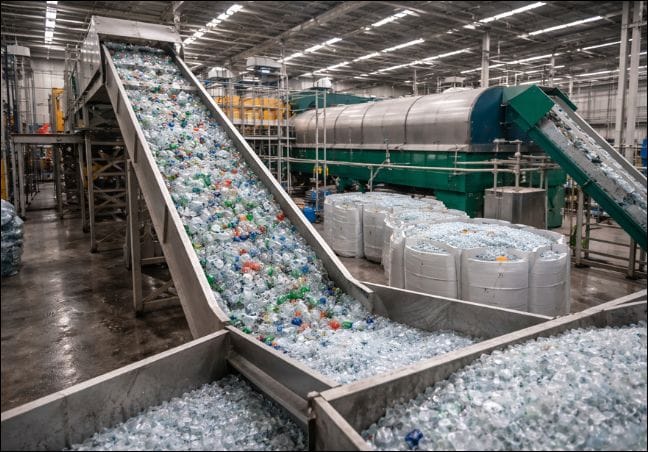 | Africa’s recycling sector has long been shaped by the availability of waste rather than demand. That is beginning to change. In Nigeria, three companies (Indorama Ventures, Nigerian Breweries and Genesis Energy) have partnered to establish one of Africa’s largest recycled PET facilities, signalling a shift towards demand-led recycling. |
Recycled content from fast-moving consumer goods companies and the demand for it is reshaping circular economics, shifting the sector from speculative models towards more predictable, market-driven investment.
As a result, recycling is likely to become more structured and controlled, with companies adopting a value chain approach to reduce volatility and improve supply reliability.
Our take: For a sector long dominated by startups struggling to scale, the Nigerian demand-led model offers a more viable blueprint for building sustainable recycling businesses… Read more (2 min)
 | As the world marks Global Recycling Day today, Lottie Free of Mr Green Africa argues that while recycling is often presented as the solution to the plastic waste crisis, it cannot solve the problem alone. Instead, she calls for a broader shift to a circular economy involving better product design, stronger policies and coordinated stakeholder action. |
Ms Free is Head of Partnerships at Mr Green Africa (MGA), a Kenya-based plastics recycling company specialising in rPET, rHDPE and rPP, and Africa’s first recycling company to become a Certified B Corporation. Prior to joining MGA, she worked in the UK Civil Service on policy areas including single-use plastic reduction and waste sector decarbonisation.
“Only 9% of plastic produced has been recycled, which makes it clear we cannot simply recycle our way out of this mess. Without a more holistic and sustainable approach to managing waste, plastic pollution will continue to grow,” she says.
Read the full opinion article here (2 min)
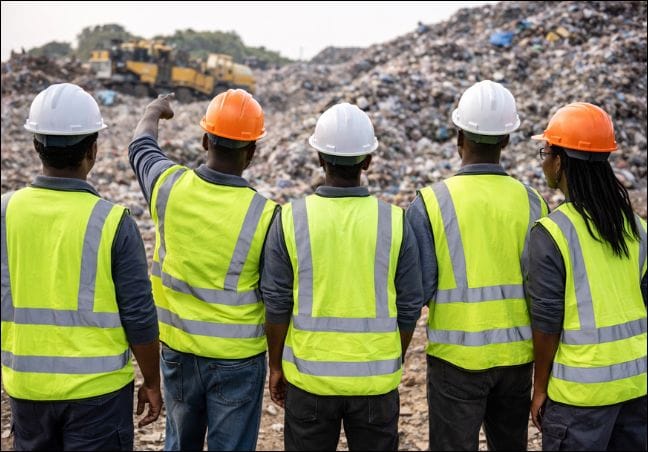 | Circular Rising has curated 34 available jobs across Africa’s circular economy this month. Southern Africa dominates the listing with 11 positions, including 10 in South Africa alone and one in Namibia. North Africa follows closely with 10 roles, most of them in Morocco, while West Africa has 7, East Africa 4 and Central Africa just 1. |
Most openings are technical, engineering and operational roles, primarily mid- to senior-level positions such as senior engineers, technical managers, project leads and consultants, with fewer entry-level roles in operations, logistics, or administrative support.
Morocco’s Mohammed VI Polytechnic University (UM6P) stands out as the single largest employer, offering five positions ranging from professor and postdoctoral fellowships to research roles in ESG, waste valorisation, decarbonisation and sustainable plastic recycling.
Apply for these roles here (2 min)
___________________

Source: Continent Rising
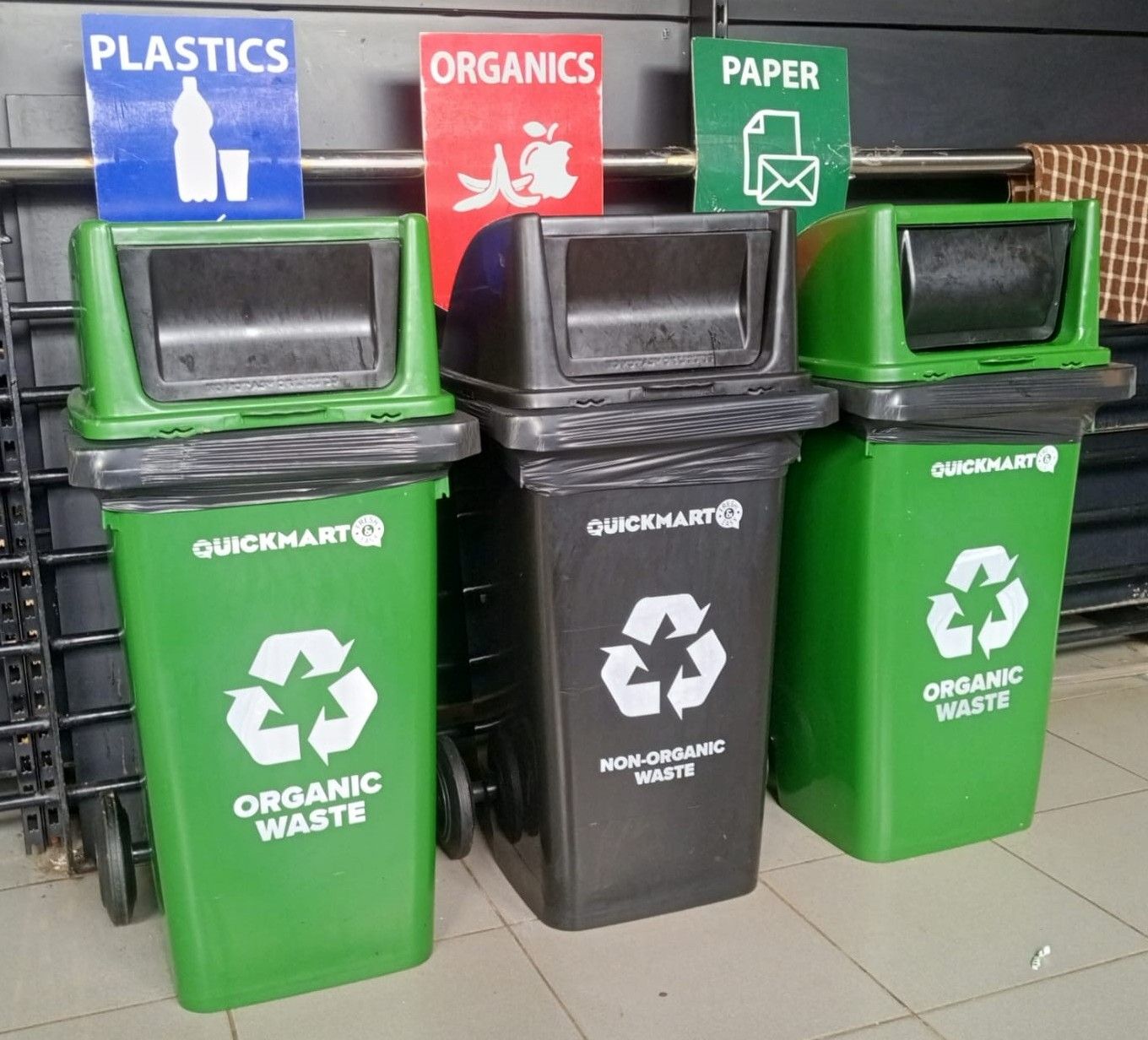
Waste segregation bins at Kenya’s Quickmart Supermarket, Westlands
Events
🗓️ Network at the at the Sustainable Manufacturing Summit 2026 (May 19)
🗓️ Register for the Future of Sustainability Conference 2026 in South Africa (Mar 24)
🗓️ Attend the Waste Management & CE Conference in Zimbabwe (Mar 30)
Various
✍️ Cameroon signs deals for $1.4 billion WtE projects in Douala and Yaoundé
📚 Kenyan university launches course on EPR
✅ South Africa used more recycled plastics in 2024
🆕 Senegal, Cape Verde launch joint project to tackle plastic waste
🔥 Sierra Leone innovator turns food waste into clean cooking gas
🔃 Open-sourced refill technology set to boost reuse systems in Global South
‼️Europol operation uncovers €31m illegal waste trade spanning five continents
🛞 Africa’s tyre waste crisis: Tech exists, scale doesn’t
🏭 Gambia launches first tyre recycling plant
🧑⚖️ Kenya starts implementing mandatory EPR import certificates
Seen on LinkedIn
Felix Hawkings, a sustainability advocate, says, “The countries generating the most plastic waste are not the ones polluting the oceans the most. High-income nations produce massive amounts of plastic but either process it or export it. The crisis happens when middle and low-income countries demand plastic but lack the waste management infrastructure to handle it.”