- Circular Rising
- Posts
- The waste problem of Africa’s telecom boom
The waste problem of Africa’s telecom boom
Dear subscriber,
Waste management affects all sectors, yet some types of waste attract more attention than others. Today we focus on one of the less visible litter streams that nonetheless carries significant implications.
Mercy Maina – Editor
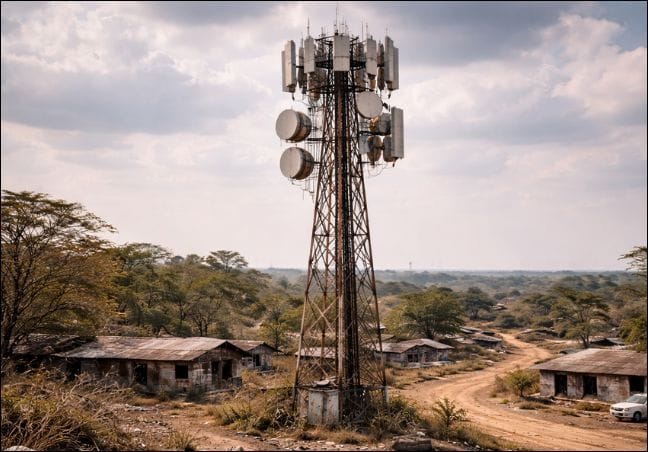 | FNB Connect, the mobile arm of South Africa’s First National Bank, this week announced it is replacing plastic SIM cards with biodegradable alternatives, highlighting an emerging waste dimension of Africa’s digital expansion. As mobile access grows, millions of SIM cards and other telecom components enter waste streams outside formal recovery systems. |
The region’s telecom boom is accelerating, with mobile subscriber penetration in Sub-Saharan Africa projected to reach 50 percent, or 751 million users, by 2030, reshaping the sector’s material use and waste generation.
While consumer items such as SIM cards and phones often represent the visible face of telecom waste, they are only a fraction of it.
Our take: Addressing telecom waste calls for collaboration among the stakeholders… Read more (2 min)
 | As African countries roll out Extended Producer Responsibility (EPR) regulations, questions are emerging over whether enforcement can meet environmental goals without burdening small businesses. Ahead of Kenya’s expected February enforcement, Valyne Kinya of EPROK emphasises the need for collaboration to keep compliance inclusive. |
Ms Kinya is a Communications Officer at the Electronic-waste Producer Responsibility Organisation of Kenya (EPROK), a Producer Responsibility Organisation (PRO) that promotes sustainable e-waste management and supports compliance under Kenya’s EPR framework.
She warns that while large companies are structurally prepared to comply, smaller enterprises risk being pushed to the margins if support systems do not keep pace with regulation. “Without deliberate outreach and collaboration, enforcement risks penalising the very actors who are least equipped to navigate regulatory transitions on their own,” she cautions.
Read the full opinion article here (2 min)
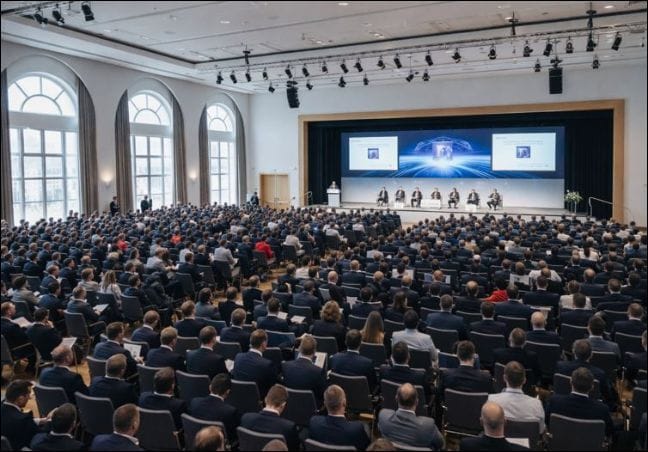 | Circular Rising has identified 14 major industry events taking place across Africa in 2026 that will convene leaders across the circular economy. The calendar is largely made up of expos, trade fairs, infrastructure exhibitions and high-level summits cutting across waste management, resource recovery and related infrastructure systems. |
Nigeria and South Africa dominate the landscape, each hosting four events, while the remaining gatherings are distributed across Kenya, Egypt, Ethiopia and Zimbabwe.
Several events are organised around specific waste streams, notably plastics, mining waste, e-waste and water, with wastewater management standing out as a recurring focus across four gatherings.
To find out how to participate, click here (2 min)
___________________


Source: Onyango Angila
School desks made from waste polythene bags by Kenya-based Jirani Recyclers
Jobs
🧑💼 Consult on circular economy at ITU (Africa)
🧑💼 Oversee disposal of medical waste at Doctors with Africa (S. Sudan)
🧑💼 Supervise waste management as Head Janitor at PIH (Sierra Leone)
🧑💼 Supply a plastic waste to cabros production line to ChildFund (Kenya)
🧑💼 Work as a Waste Consultant at AESG (Egypt)
Various
💰 Kenya waste management to get a share of World Bank’s $43m
😲 Growing waste crisis in the Middle East and North Africa costs $7.2 billion a year
🚨 Uganda develops guidelines to regulate chemical waste
✅ Nestlé Nigeria reaffirms commitment to waste management
💧 Water bankruptcy: UN report signals a post-crisis era for global agriculture
🏅 Jambojet wins global sustainability award for plastic upcycling initiative in Kenya
🎖️African airlines win 4 global sustainability awards at SAS Aviation Challenge 2025
♻️ How Africa is transforming plastic waste into jobs and sustainable solutions
Seen on LinkedIn
Kwizera Theogene, a Compliance Officer at COPED Rwanda, says, “Many people think Circular Economy = Recycling. But recycling is only one small part of the circular economy. Recycling focuses on what happens after waste is created. It converts waste into reusable material reducing waste to landfill and pollution.”