- Circular Rising
- Posts
- An untapped market in Africa’s organic waste stream
An untapped market in Africa’s organic waste stream
Dear subscriber,
Half of Africa’s municipal waste is organic. Most of it quietly piles up in landfills, but beneath the surface, it’s brimming with untapped opportunity, ready to be turned into something valuable.
Mercy Maina - Editor
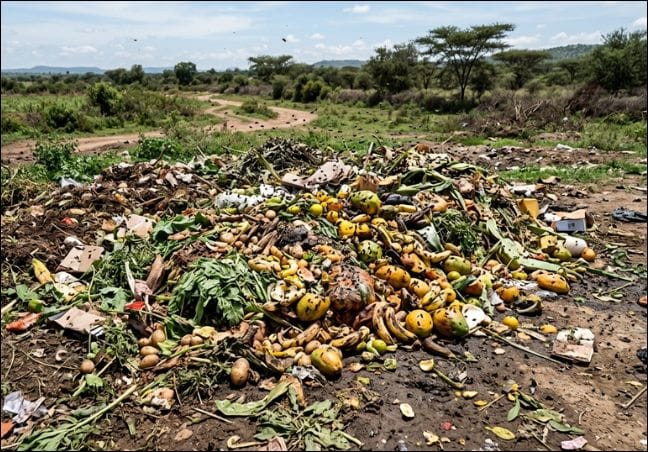 | A new report by the World Bank shows that organic waste makes up roughly 50% of Africa’s municipal streams. Yet, despite this large share, it remains one of the continent’s most underutilised resources, often uncollected or mixed with other waste streams leading to lost value, rising emissions and missed opportunities for recovery. |
Organic waste is a viable feedstock for a range of commercial products, a shift being driven by rising demand for local agricultural inputs and more stable, decentralised energy solutions.
While diverse recovery pathways exist, decentralised solutions are better aligned with local conditions and more likely to scale than centralised, capital-intensive systems.
Our take: Markets for organic end-products cannot grow without reliable recovery systems, yet those systems struggle to develop without market demand… Read more (2 min)
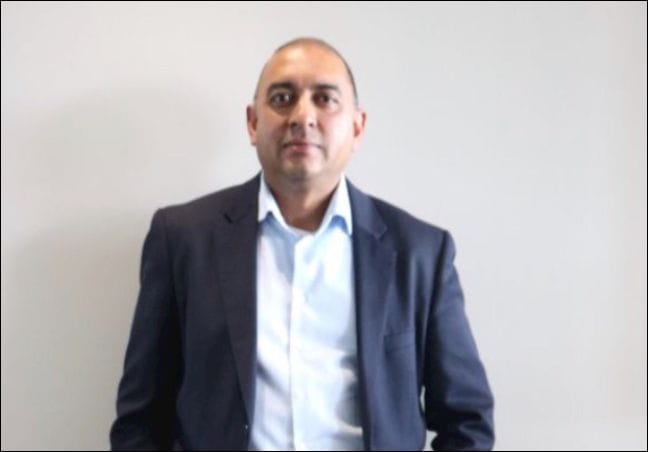 | As the conflict in Iran persists, driving sharp increases in global fuel prices, Neeraj Mannie, a circular economy expert, argues that these pressures are exposing the fragility of waste collection systems across Africa. He observes that in many African cities, the service is highly fuel-intensive, leaving it vulnerable to even modest price shocks. |
Mr Mannie is a global waste and circular economy executive with experience across Africa, the Middle East and international markets. His work includes waste strategy advisory for the FIFA World Cup Qatar 2022 at Lusail Stadium, development of a city-scale waste master plan for Luanda, Angola, and leadership of the hazardous waste business unit at Veolia Southern Africa.
He recommends scaling proven solutions from other markets that are applicable to Africa, such as right-sized fleets, localised transfer infrastructure, and optimised collection models that lower fuel use, reduce costs, and improve reliability across diverse urban environments.
Read the full opinion article here (2 min)
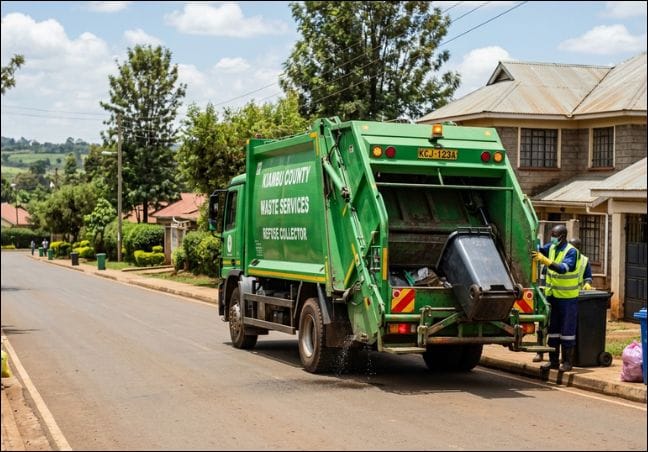 | Policymakers across Africa have stepped up efforts to embed circularity and sustainable resource management by introducing three new policies in the first quarter of 2026. The measures set long-term targets for sustainable resource management, waste recovery and the integration of circular economy principles into development planning. |
The policies are developed at different governance levels, including a continental framework and a national framework in Benin.
A standout feature of these policies is the circular sanitation economy, which involves turning wastewater into recovered water, nutrients and energy resources.
Our take: The growing regulatory momentum in Africa’s circular economy signals increasing policy maturity across the continent, but the true test will lie in enforcement…Read more (2 min)
___________________

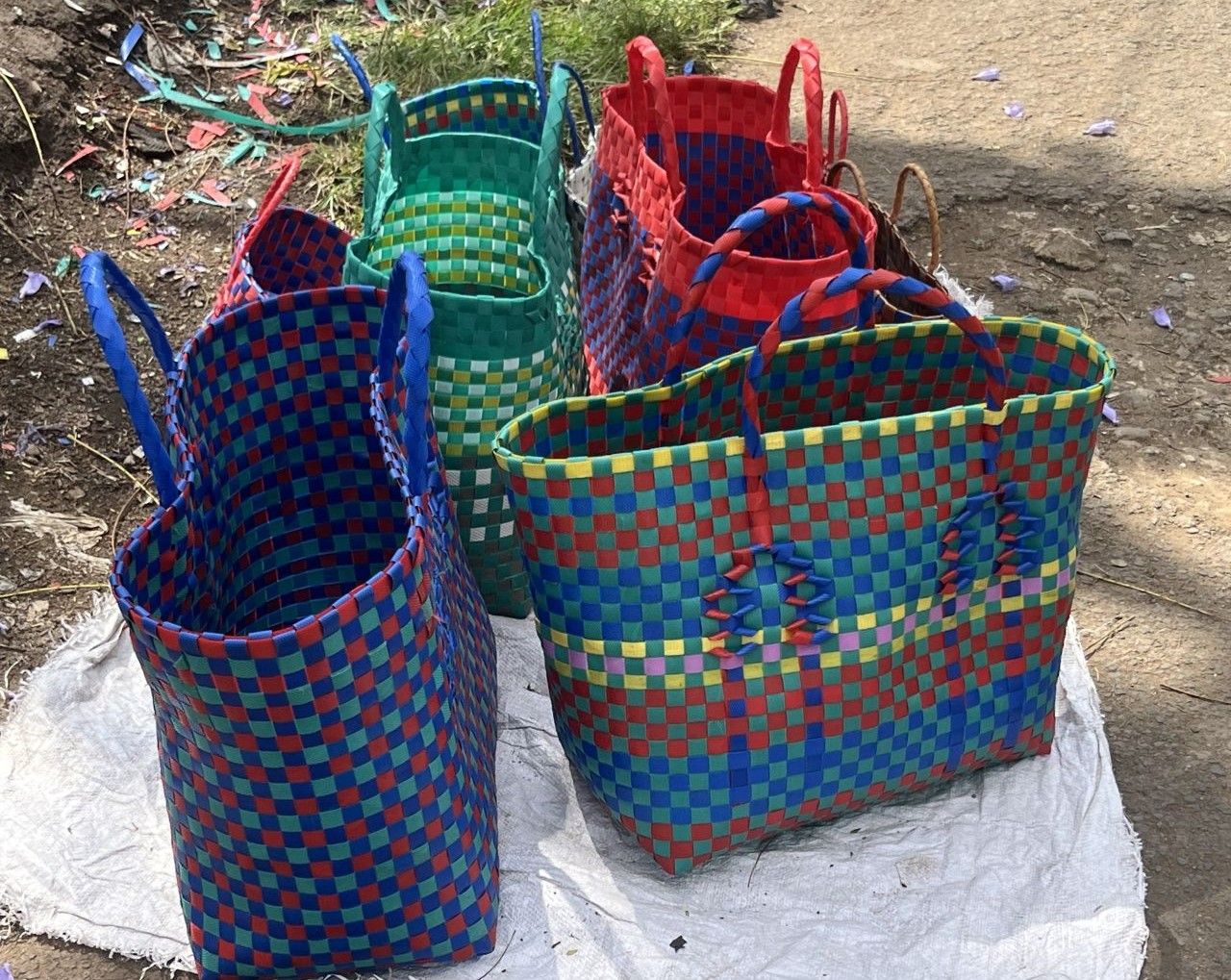
Source: Refuture Foundation
Baskets crafted from repurposed bale straps of second-hand clothes in Nairobi
Events
🗓️ Network at the Sustainable Manufacturing Summit in Kenya (May 19)
🗓️ Register for the Future of Sustainability Conference 2026 in South Africa (Mar 24)
🗓️ Attend the Waste Management & CE Conference in Zimbabwe (Mar 30
Jobs
🧑🚒 Serve as Technical Lead at Jhpiego (Nigeria)
🏥 Be the next EH WASH Infrastructure Officer at IRC (Nigeria)
🧕 Work as a circular economy consultant at ILO (Nigeria)
🧑💼 Consult on circular economy at ITU (Africa)
🍟 Manage projects at Egyptian Food Bank (Egypt)
💻 Build and maintain python as Senior Backend Engineer at WasteHero (Egypt)
👷 Support the Abuzabal Dumpsite Closure Project as HSE specialist (Egypt)
🚜 Provide technical support to Abuzabal Dumpsite Closure Project (Egypt)
Various
🚘 Kenya to issue ‘death certificates’ for end-of-life vehicles under new regulation
🔋 Report: Lead acid battery recycling in Sub-Saharan Africa
✅ UNIDO commissions pilot plastic collection centre in Abuja
✝️ Cross from recycled Agbogloshie waste returns to Ghana after Vatican blessing
💰 Waste management efforts in Kenya among beneficiaries of $96.9M fund
Seen on LinkedIn
Chrispaul Muthaura, Circular Economy Lead at KPMG East Africa, says: “When everyone pursues circularity in silos, we will not achieve its benefits. Integration is the difference between circular economy pilots and circular economy systems. When downstream demand shapes upstream collection, the economics work. When they operate in silos, everyone blames ‘Africa risk.’”